Corrugator Splicer

Keep the web moving through the roll change.

Corrugator Splicer — equipment detail
High-Speed Splicing up to 300 m/minContinuous Corrugator Line Operation Precise Paper Tension Control

Continuous paper supply

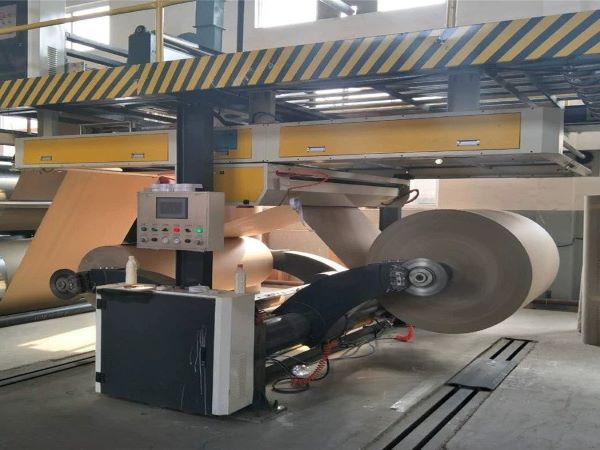
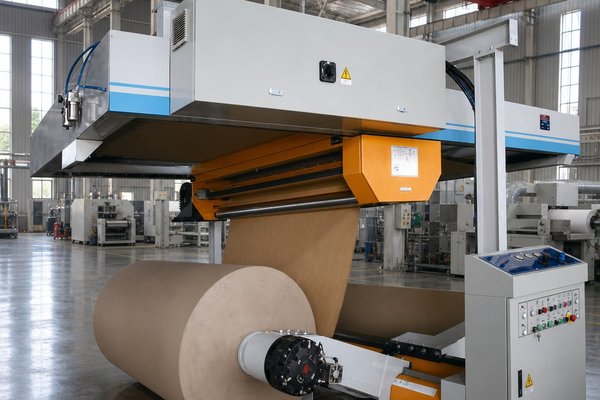
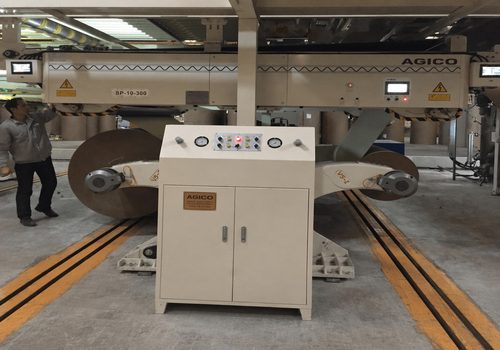
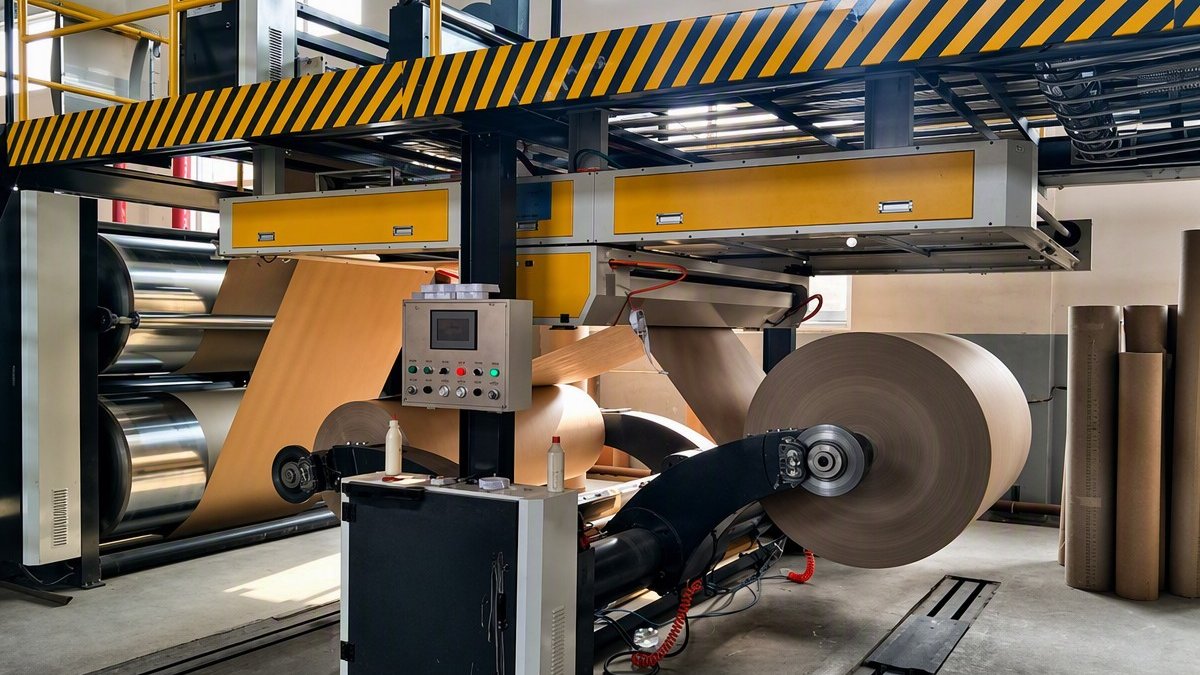
The corrugator splicer is an important auxiliary equipment on the corrugated board production line. This equipment works together with the mill roll stand. It also joins the new paper roll with the running paper web and enables automatic splicing during continuous production. By reducing downtime during the roll-changing process, the automatic paper splicer can help corrugated board manufacturers maintain continuous production and enhance production efficiency.

As a professional corrugated splicer machine manufacturer, our machines can be matched with most mainstream corrugator lines.

Advantages of Automatic Paper Splicer

Improve Production Efficiency

The corrugator splicer can realize continuous and automatic production, reducing manual intervention. This equipment also reduces downtime caused by paper roll changes, ensuring stable operation of the single-facer and double-facer when changing the paper. It improves the overall efficiency of the corrugator line.

Reduce Paper Waste

This equipment can reduce paper waste during the production process. The corrugator splicer used in corrugator lines provides stable splicing performance and ensures precise tension control. These advantages improve paper feeding stability and maintain consistent paper tension during production.

Ensure Consistent Board Quality

The automatic paper splicer has high splicing precision. It can ensure smooth splicing joints and uniform paper tension control to reduce paper tension fluctuations and improve the stability of the corrugating process. It helps maintain a stable paper supply for the corrugating process.

Easy Operation

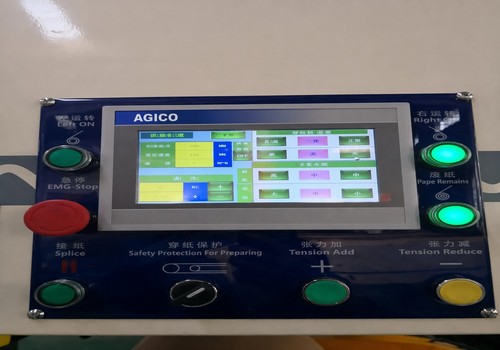
It features a user-friendly design and convenient operation. The operators can adjust operating parameters using the automatic control system to meet the production requirements of different paper specifications.

Working Principle of the Corrugator Splicer

The corrugator splicer is installed between the mill roll stand and the single facer machine. This machine consists of the splicing unit and control system, and works together with the mill roll stand. During production, the automatic splicing system works through automatic detection, precise cutting, and fast splicing to realize the continuous supply of paper rolls.

1

Sensing and Control

The automatic paper splicer on the corrugated production line uses high-precision sensors to monitor the paper roll in real time. When the paper roll reaches the end, the sensor sends a signal to the control system to start the automatic splicing process. The system adjusts the splicing action according to the production status, ensuring the production line runs stably and continuously.

2

Precise Cutting and Splicing

When the cutting unit receives instructions from the control system, it performs precise cutting of the paper. Meanwhile, the splicing unit will also quickly and accurately connect the new paper roll to the running paper web.

3

Speed Matching

The corrugator splicer precisely controls the production line speed. During the splicing process, the control system coordinates splicing speed and corrugator line speed. It ensures smooth integration of new paper rolls.

Main Configurations of Corrugator Splicer

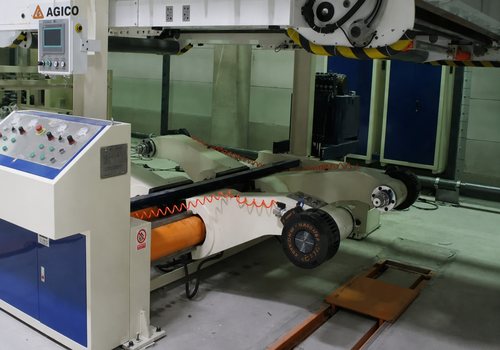
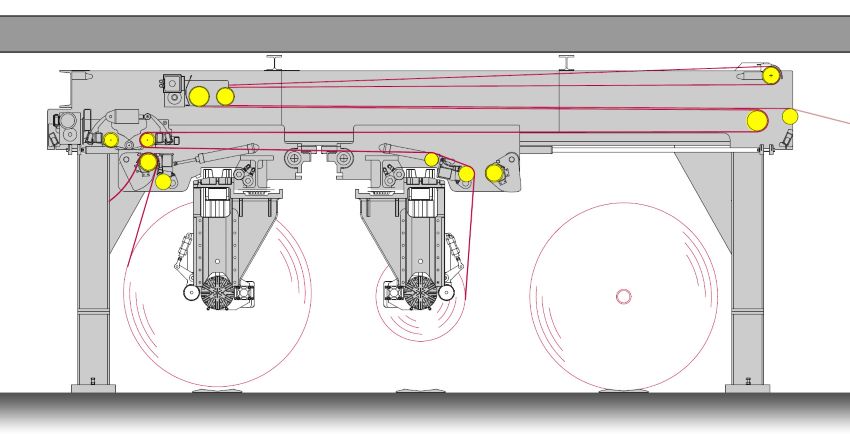
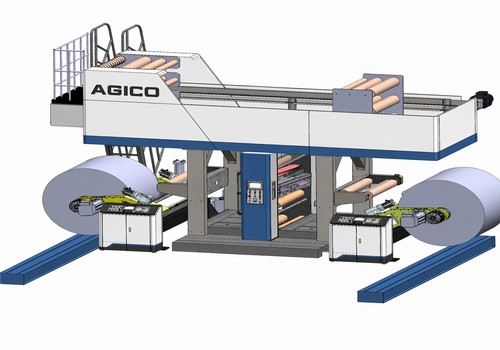
The automatic splicer consists of a splicing unit, tension control system, paper accumulator, and electrical control system. All parts work together to complete the paper roll detection, paper positioning, cutting, and auto splicing.

Double Roll Stand

The double roll stand can hold two paper rolls at the same time. One paper roll is used for paper supply, and the other spare roll is prepared for changeover. When the current paper roll approaches the end, the device can quickly switch between the old and new paper rolls.

Paper Accumulator

The Paper Accumulator consists of multiple rollers. It can store a certain length of paper during the splicing process. When changing from the old roll to the new roll, it provides buffering to reduce the impact on production line operation.

Splicing Unit

The splicing unit is a core component for realizing the automatic connection with the paper roll. It includes paper positioning, cutting, and splicing. It can accurately connect the new and old paper rolls.

Electrical Control System

The Electrical Control System is responsible for controlling all splicing processes, including paper roll detection, operation coordination, and parameter adjustment. The operators can make settings according to production needs to make the equipment run more stably.

Technical Specifications of Corrugator Splicer

Category Specification 1800 Type 2200 Type 2500 Type
Paper Width Max. Paper Width 1800 mm 2200 mm 2500 mm
  Min. Paper Width 950 mm 1050 mm 1150 mm
Performance Working Speed Max. 300 m/min Max. 300 m/min Max. 300 m/min
  Paper Weight Range 90 – 320 g/m² 90 – 320 g/m² 90 – 320 g/m²
  Max. Paper Roll Diameter ≤ Ø 1500 mm ≤ Ø 1500 mm ≤ Ø 1500 mm
Splicing & Control Splicing Technology Zero-tail Splicing Zero-tail Splicing Zero-tail Splicing
  Double-sided Tape Width 30 – 40 mm 30 – 40 mm 30 – 40 mm
  Working Air Pressure 0.6 – 0.9 MPa 0.6 – 0.9 MPa 0.6 – 0.9 MPa
  Control System PLC Control PLC Control PLC Control
  • Note: The above parameters are for standard models. We support custom configuration to fit your corrugated board production line.

REQUEST A CONFIGURATION

Discuss your equipment requirements

Tell us what you need to produce and the basic line requirements. Use the inquiry form to send the details.

Go to inquiry form

PLAN YOUR EQUIPMENT

Tell us what you want to produce

Complete the form with your contact details and equipment requirements. Use the message field to share the points below.

  1. Equipment you need

    A complete production line, an individual machine, or an upgrade to your existing equipment.

  2. Your product specifications

    Board ply and flute type, working width, box dimensions, or printing and converting requirements, where known.

  3. Output and project details

    Your target production capacity, installation country, and any workshop space or project requirements.

Not sure which machine to choose? Describe your product and what you want to achieve. Share the details you know to get started.

Your equipment requirements

All four fields are required.

Your equipment requirements

All four fields are required.