
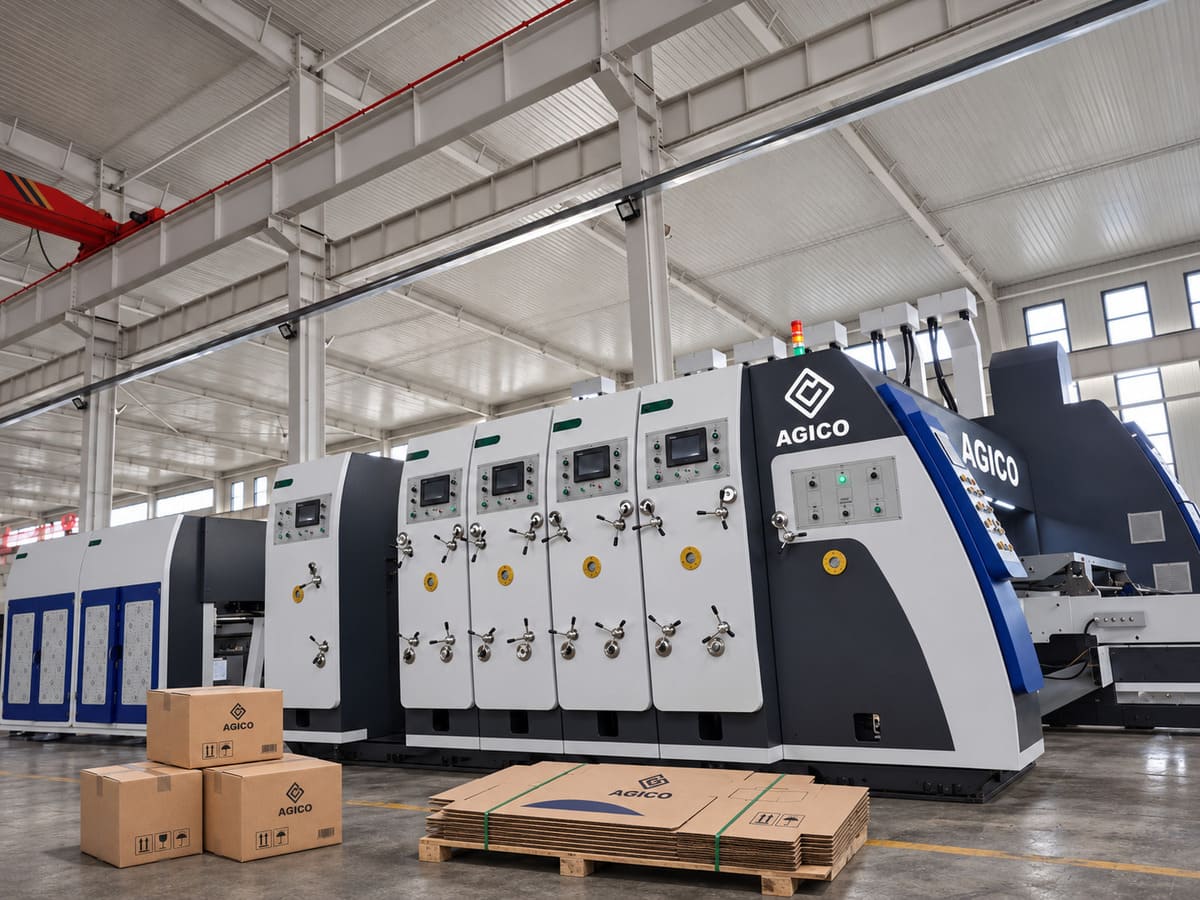
When you buy a corrugated box machine, getting the lowest quotation doesn't mean you've got the best value for money, because producing a corrugated box requires multiple processing procedures. In practice, machines on the corrugated box market come with different levels of integration. Producing a corrugated box requires multiple processing procedures and cannot be completed by a single machine. For example, some machines combine two processing steps, some combine three, and others combine multiple steps into one machine. When purchasing this equipment, you must know which processes your box production requires and decide whether to buy standalone machines or an integrated line.
This article introduces the main processing procedures of corrugated boxes, the features of different machine combinations, and price references, helping you choose the right equipment based on your actual needs rather than just comparing quotations.
Learn About the Corrugated Box Machine
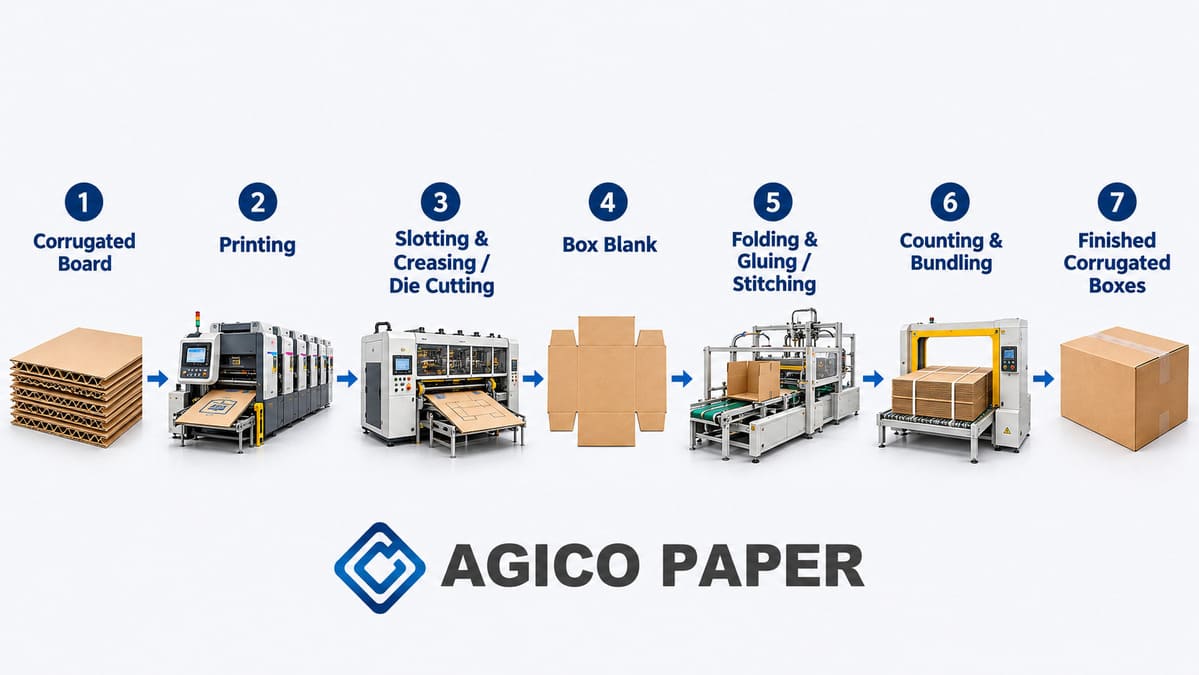
What Is a Corrugated Box Making Machine? The corrugated box machine is used to process corrugated board into a corrugated box. Unlike the corrugated board production line that processes raw paper into corrugated cardboard, the corrugated box machine belongs to downstream corrugated converting equipment. Its making process usually involves multiple procedures, including printing, slotting, die-cutting, gluing, or stitching. Sometimes, stacking and bundling are also included.
Printing: Printing images, text, logos, and product information on the corrugated board surface. It usually uses a flexo printing machine.
Slotting and creasing: Making slots and crease lines on the corrugated board to prepare it for folding into boxes.
Die-cutting: Cuts the corrugated board into specific shapes and outlines according to the box structure. It is commonly used for irregularly shaped boxes, mailer boxes, and boxes with special structures.
Folding and gluing: Folds the processed corrugated board along the crease lines and glues the joint edges to form a box.
Stitching: The corrugated box stitching machine connects the joint edges with metal staples. This process is usually used for heavy-duty boxes or boxes that customers require to be stitched.
Counting and bundling: The finished boxes are counted, arranged, and bundled. This makes them easier to handle, store, and transport.
However, not all corrugated boxes need to go through all the above processes, and these processes can also be flexibly combined through different equipment configurations. You can buy individual machines for each process. You can also buy a partial-process production line or a full-process integrated line. So, if you want to get a cost-effective price for corrugated box making machines, the first step is to figure out exactly what processes are needed for your corrugated box production.
Note:
Partially Integrated Production Lines: This type of corrugated box production line combines two or three continuous processing steps into one machine. It can complete multiple processes in one corrugated board feed, allowing one machine to perform different functions. Other machines can be connected according to actual production needs to complete the remaining processes and produce corrugated boxes.
Fully Integrated Production Lines: This type of production line integrates the main box-making processes, including printing, scoring, slotting, folding, and gluing, into one machine. It can complete the main corrugated box converting processes in one continuous operation. An automatic strapping machine can also be connected according to production needs. The common equipment type is the Flexo Folder Gluer (FFG).
Corrugated Box Machine Price Comparison by Production Process
Different machine combinations require different budgets. Below, we will first compare the price ranges of common corrugated box machines. Then, we will look at the advantages, disadvantages, and suitable applications of standalone machines, partially integrated production lines, and fully integrated production lines.
|
Type |
Common Machines |
Main Processes |
Price (USD) |
|---|---|---|---|
|
Individual Machines |
Corrugated Die Cutting Machine Corrugated Box Slotting Machine Folder Gluer Machine Corrugated box Stitching Machine |
Each machine completes one process independently. |
Approx. $3,000–150,000+ |
|
Partially Integrated Production Lines |
Printing Die Cutting Machine |
Completes multiple upstream processes in one paper feed. |
Approx. $40,000–180,000+ |
|
Fully Integrated Production Lines |
FFG (Flexo Folder Gluer) |
Completes printing, slotting, folding, and gluing in one process. |
Approx. $150,000–400,000+ |
Note: The price of corrugated box machines varies depending on the machine type, working width, production speed, and configuration.
Single Machines
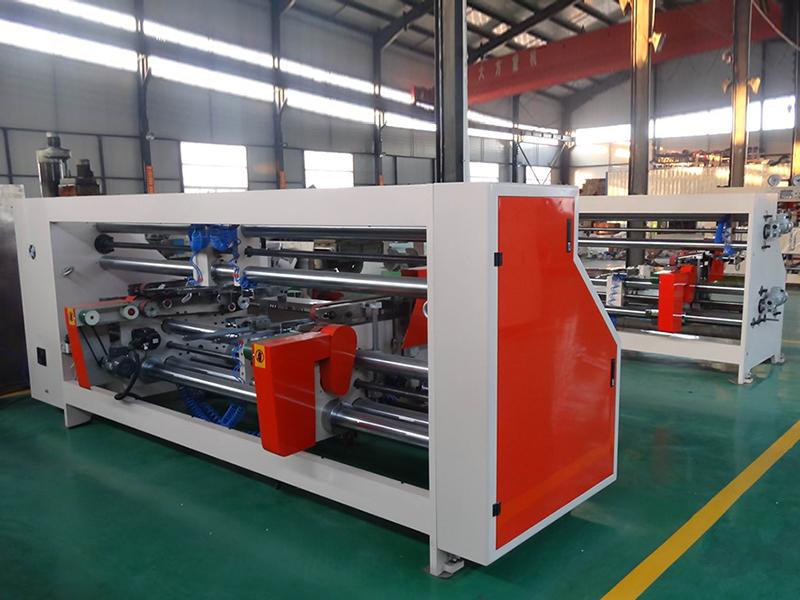
Advantages: Low initial investment, and machine combinations are flexible. If your corrugated box plant needs a particular process, you can just buy the corresponding equipment.
Disadvantages: All machines work independently, and continuous production is limited.
Suitable Applications: This equipment setup is suitable for small corrugated box plants with limited initial investment, or factories that handle different types of orders and have changing processing requirements.
Partially Integrated Production Lines
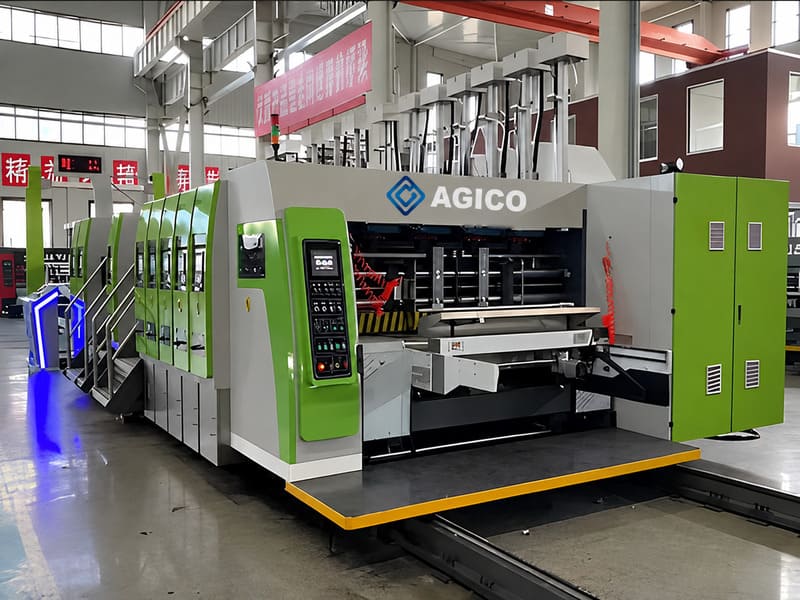
Advantages: It can provide a good balance between production efficiency and flexibility. Compared with standalone machines, the partially integrated production line offers higher production efficiency and takes up less space. Compared with fully integrated production lines, it requires less equipment investment and offers more flexibility when changing orders.
Disadvantages: Order changeovers take longer than with standalone machines. The production speed of each workstation affects the others. If the slotting section slows down, the printing section may also reduce its speed.
Suitable Applications: If your corrugated box plant's orders are gradually increasing, and you need to produce both regular slotted cartons and irregular die-cut boxes, this setup is suitable for medium-sized carton factories.
Fully Integrated Production Lines
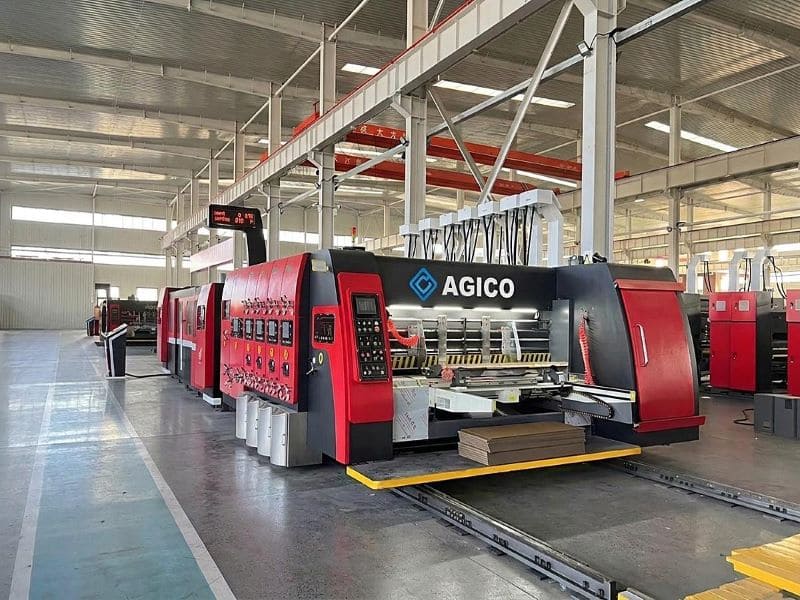
Advantages: Production efficiency is high, labor requirements are lower, and product quality is good. The integrated and compact layout also reduces the space needed for storing and transferring partially finished products between standalone machines. It can usually save around 30%–40% of factory floor space.
Disadvantages: High initial investment. The purchase cost of an integrated production line is much higher than that of several standalone machines. Maintenance and repair costs are also higher because the line has a complex structure and includes many servo systems, motors, and electrical control components. If a key component breaks down, the entire production line will stop.
Suitable Applications: Medium- and large-sized corrugated box plants with stable orders and large batch sizes, as well as factories in markets with high labor costs.
Find the Right Setup for Your Box Production
Tell us your box types and target output to discuss a suitable machine combination.
Get a QuoteTips for Getting Cost-Effective Prices on Corrugated Box Machines
As a professional corrugated box machinery supplier, AGICO PAPER has rich experience in the development, manufacturing, and sales of corrugated box machines. If you want to get cost-effective corrugated box machines and make better use of your budget, here are four aspects to focus on.
Conclusion
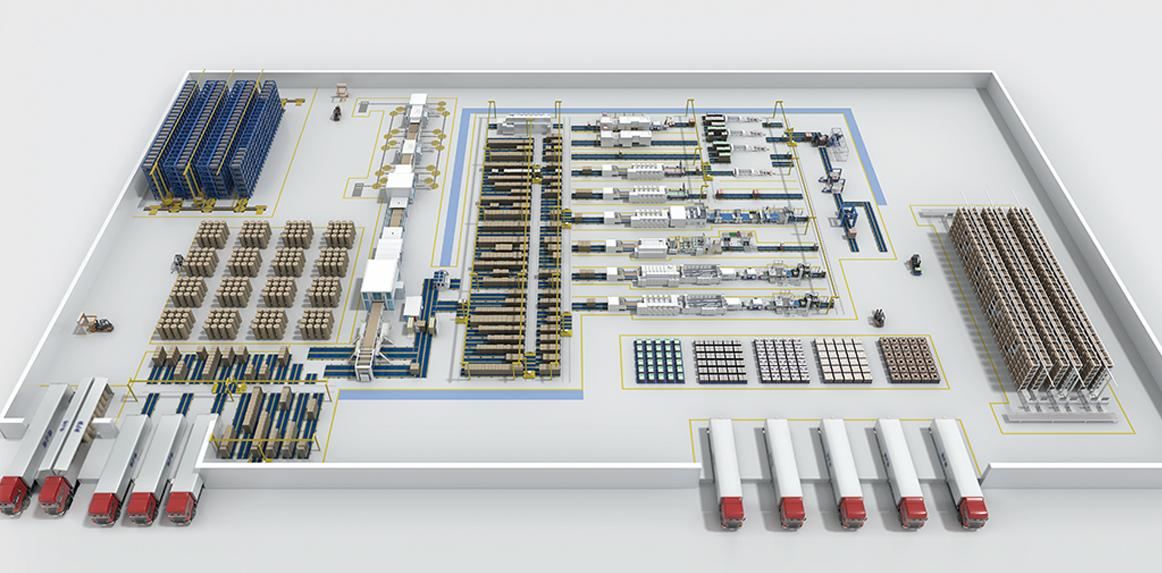
When purchasing corrugated box machinery, don't just look at which supplier offers a lower price. You also need to consider whether the machine configuration is suitable for your production needs. Standalone machines, partially integrated production lines, and fully integrated production lines are suitable for different production needs. Their prices and production efficiency are also different.
Before asking for a quotation, you should first determine which processing steps your factory needs, how large your usual order volume is, and whether your existing workshop and budget can meet the requirements for machine installation and production.
After considering these factors, you can choose a suitable machine combination. This helps avoid buying unsuitable equipment and makes better use of your equipment budget.